What if a single dance move from Seoul could ignite trends in Tokyo, Paris, and New York? Dive into the world of Korean celebrities who turned pop culture upside down.
Consider this: by 2025, K-pop's global revenue hit over $50 billion, dwarfing figures from just a decade ago. This isn't just music; it's a cultural revolution sparked by Korean celebrities who mastered the art of blending tradition with modernity.
The Hallyu Wave
Picture a wave starting small in East Asia, crashing onto Western shores. The Korean Wave, or Hallyu, began in the late 1990s with dramas like "Winter Sonata." It wasn't about polished productions alone. Korean actors and singers infused stories with emotional depth, drawing viewers into tales of love, resilience, and societal change. Think of it as a bridge—connecting Confucian values with universal desires for connection.
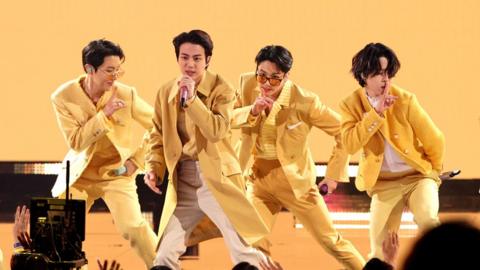
Fast-forward to the 2010s, and groups like BTS exploded onto the scene. They didn't just sing; they spoke directly to youth about mental health and self-love. In 2024, BTS's farewell tour drew 15 million fans, proving how these artists built communities across borders. Yet Hallyu isn't static. By early 2026, virtual concerts in metaverse spaces let fans interact with holograms of stars like BLACKPINK, blending reality with digital realms.
Icons and Their Craft
At the heart of this phenomenon are individuals who redefined celebrity. Take Bae Yong-joon, the 'Romeo of Asia,' whose smoldering gaze in 2000s dramas captivated millions. Or Song Hye-kyo, who portrayed complex women challenging norms in films like "The Concubine." These actors didn't just perform; they embodied cultural shifts, reflecting South Korea's rapid modernization.
Today, idols like IU combine music with philanthropy, donating millions to causes in 2025. Meanwhile, TWICE and Stray Kids innovate with multilingual hits, reaching non-Korean speakers. It's like a symphony where each member contributes a unique note, creating harmonies that resonate worldwide.
- Training Systems: K-pop's rigorous academies, lasting years, forge skills in dance, vocals, and charisma.
- Fandom Dynamics: Loyal 'fandoms' drive viral trends, from memes to boycotts, shaping public discourse.
- Cultural Exports: Beyond music, K-beauty and K-dramas amplify Korea's soft power.
Modern Echoes and Futures
As we enter 2026, Korean celebrities embrace sustainability. Groups like (G)I-DLE promote eco-friendly tours, reducing carbon footprints. Digital platforms amplify voices: actresses like Kim Ji-won use social media to advocate for gender equality, echoing global movements.
This evolution mirrors humanity's quest for connection. In a fragmented world, Korean stars offer narratives of unity, proving that one person's passion can ripple across oceans. They remind us that fame, when wielded thoughtfully, can inspire change and foster a shared human tapestry for generations to come.