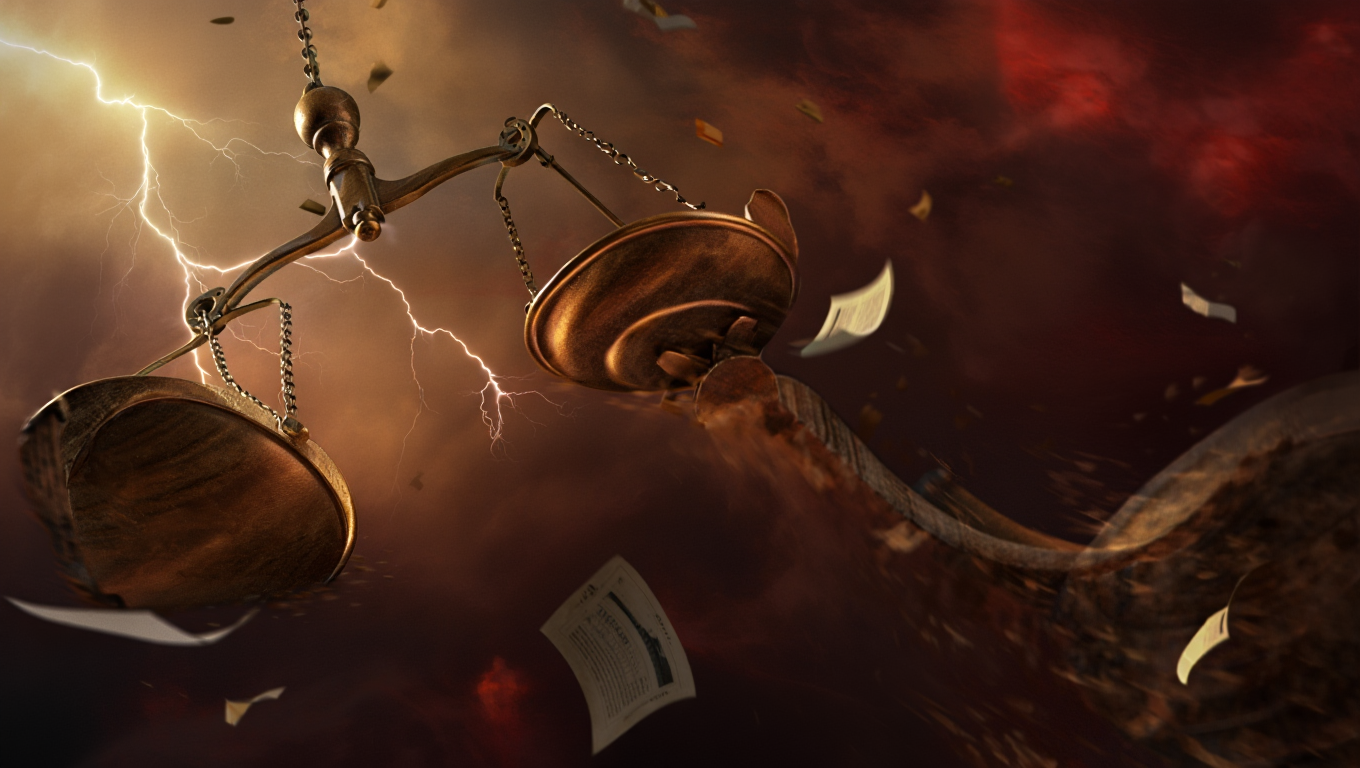
In 2025, global protests erupted over climate policies, reshaping elections across continents. Yet, beneath the surface, ancient forces of influence still dictate the rules of the game.
A single tweet from a world leader in 2024 ignited a firestorm, toppling governments and rewriting alliances overnight. Politics, it seems, has always been about the unexpected spark that sets the stage ablaze.
The Roots of Influence
Picture a chessboard, not on a table, but sprawled across continents. Each piece represents a force: economic interests, cultural identities, technological shifts. In the mid-20th century, empires crumbled under the weight of ideals like democracy and self-determination. Fast-forward to 2025, when blockchain voting trials in Estonia and beyond promised transparency, yet hackers exposed vulnerabilities, reminding us that trust in systems can shatter like thin ice.
Consider the farmer in rural India, whose vote in the 2024 elections swung debates on climate subsidies. Her story mirrors millions worldwide, where local struggles fuel global movements. Populism surged in 2025, with leaders in Europe and Latin America harnessing social media to rally against elite institutions. But what drives this? A metaphor: politics as a river, carving paths through society. When floods of disinformation rise, as seen in the misinformation wars during the 2024 U.S. campaigns, the landscape changes irreversibly.
The Mechanisms at Play
Dive into the mechanics. Step one: agenda-setting. Media giants, now amplified by streaming platforms, decide what bubbles to the surface. Step two: coalition-building, where unlikely alliances form—like tech moguls partnering with environmentalists against data privacy laws in 2025.
From a citizen's lens, it's personal. Take Alex, a young activist in Berlin, who in 2025 organized virtual sit-ins that pressured lawmakers on AI ethics—wait, no—on digital rights. His journey reveals how grassroots efforts can counterbalance corporate lobbying, the shadowy donations that fund campaigns.
- Economic globalization: Trade deals in 2025 reshaped power dynamics, favoring agile nations over rigid ones.
- Social movements: The global youth marches for climate action in 2025 echoed past revolutions, proving idealism can outlast cynicism.
- Technological disruption: Real-time polling apps, emerging in 2026, promise direct democracy but raise fears of manipulated outcomes.
Emerging Horizons
As 2026 unfolds, hybrid warfare blurs lines between nations, with cyberattacks on infrastructure mimicking old-school espionage. Yet, hope flickers in participatory models, like deliberative assemblies in Taiwan, where citizens draft laws. These trends suggest politics isn't static; it's a living organism, adapting to threats like biodiversity in an ecosystem.
In this grand tapestry of human endeavor, politics reflects our collective soul—our fears, hopes, and unyielding quest for fairness. As we stand on the brink of 2026's global summits, remember: every voice, every vote, weaves the fabric of tomorrow's world.