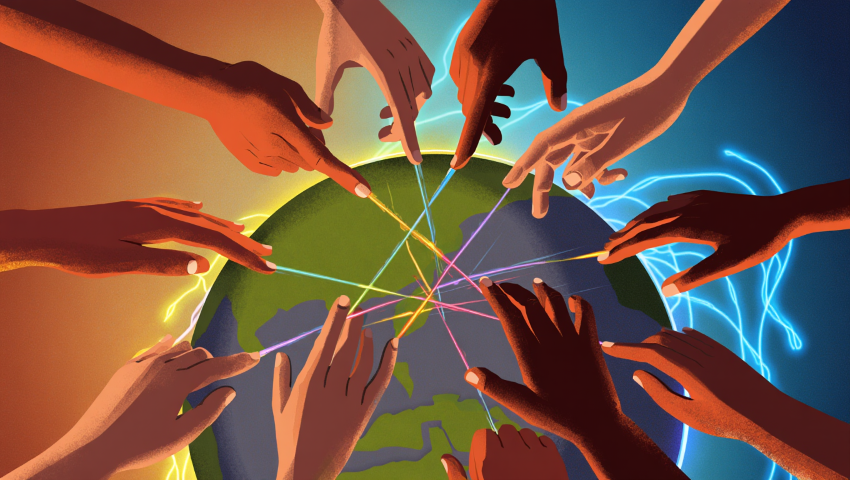
In 1841, economist Harriet Martineau visited the U.S. and saw that factories were powered not only by machines, but by people. What if human connection is the real engine of business, shaped by time and struggle?
Consider a bustling marketplace in ancient Babylon, where traders bartered spices and silks under the sun. Each exchange wasn't merely a transaction—it forged alliances, sparked innovations, and built empires. Business, at its core, pulses with human energy, a dance between ambition and necessity.
The Foundations Unearthed
Delve into history, and you'll find business as a survival instinct. Early entrepreneurs like the Medici bankers of Renaissance Florence mastered the art of finance, turning loans into legacies. Imagine a merchant navigating stormy seas, calculating risks not with charts, but with intuition honed from generations of trade. This foundation rests on trust, the invisible glue that holds deals together.
Fast-forward to the Industrial Revolution, where steam-powered looms transformed cottages into factories. Workers flocked to cities, their labor fueling growth. Yet, this era unveiled shadows—long hours, meager pay—reminding us that profit often walks hand-in-hand with exploitation. Business here is a mirror, reflecting society's values.
Evolution in a Changing World
As the 20th century unfolded, corporations emerged as giants. Think of Henry Ford's assembly line, a symphony of efficiency where cars rolled off belts like notes from a composer. This model scaled dreams, democratizing goods from radios to refrigerators. But globalization added layers. A coffee farmer in Ethiopia connects to a barista in Tokyo, their fates intertwined through supply chains spanning continents.
By the 2020s, the digital shift accelerated this web. Remote teams collaborate across time zones, and e-commerce turns local shops into global storefronts. In 2025, as climate accords gained momentum, businesses pivoted toward sustainability. Companies like Patagonia led the charge, proving that profits and planet can coexist.
Modern Currents and Future Horizons
Today, in 2026, business grapples with gig economies and flexible work. A freelance designer might juggle projects from a van in the desert, embodying freedom. Yet, this fluidity brings instability—how do we ensure security without stifling innovation?
Ethical dilemmas loom large. The 2025 corporate scandals exposed greed, pushing for transparency. Consumers now demand accountability, voting with wallets for brands that prioritize fairness. Innovations like blockchain enable traceable trade, reducing fraud and building trust.
Emerging trends point to circular models, where products loop back—waste becomes resource, mimicking nature's cycles. In tech hubs from Seoul to San Francisco, startups blend creativity with conscience, designing for longevity over disposability.
Weaving the Tapestry Ahead
Business isn't static; it's a living narrative. As humans, we craft it through choices—will we prioritize short-term gains or enduring harmony? In this interconnected era, every decision ripples outward, shaping communities and ecosystems. The future calls for visionaries who see beyond balance sheets, fostering a world where commerce nourishes rather than depletes. Here, in the threads of trade and toil, lies our shared humanity.