What if the true power of business lay not in profits, but in how it mirrors the human spirit? Dive into the untold story of commerce evolving from simple trades to a force that could redefine our future.
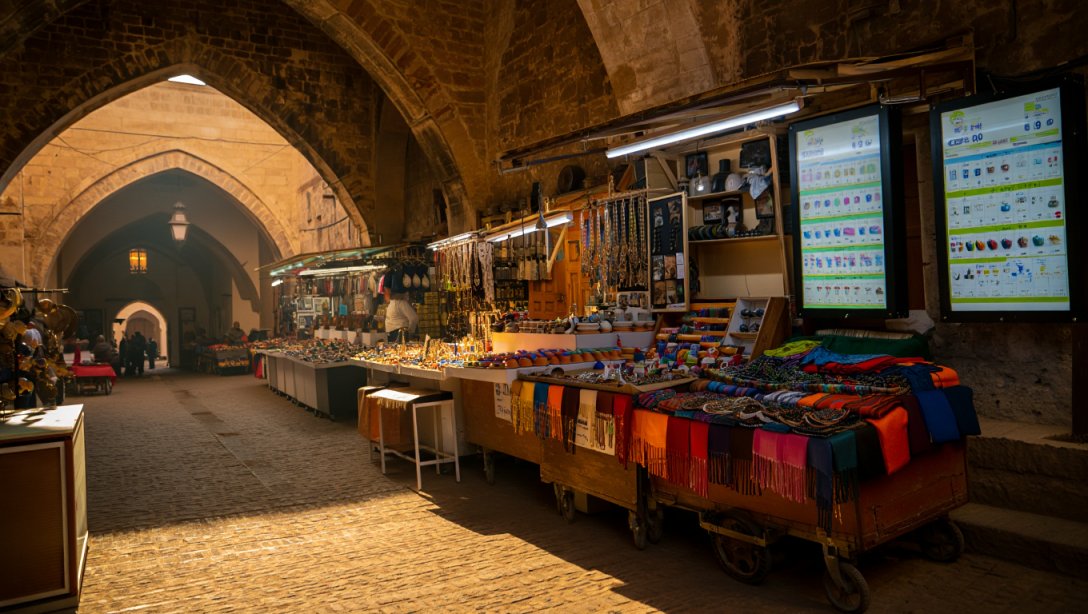
In the year 5000 BC, a Mesopotamian trader swapped a clay pot for a sack of grain under the shadow of the Tigris River. This simple act, etched in history, sparked what we now call business. Not a grand empire or a thunderous deal, but a quiet exchange that connected lives.
This humble beginning reveals the heart of business: it's always been about bridging gaps, fostering trust, and adapting to change. Today, as February unfolds in 2026, that core pulses stronger than ever, weaving through global shifts that challenge and inspire.
The Foundations of Exchange
Picture an early farmer eyeing a neighbor's tools. Barter wasn't just survival; it built communities. Fast-forward to the Renaissance, when Venice's merchants navigated spice routes, turning local crafts into international ventures. Each era added layers—guilds organized skills, banks pooled resources, and factories scaled dreams.
Yet, business wasn't static. Think of it as a river, carving paths through landscapes of innovation. In the 20th century, assembly lines revolutionized production, shrinking the world through mass markets. Entrepreneurs became heroes, like Henry Ford, who imagined every worker owning a car.
The Digital Awakening
By the 1990s, the internet flipped the script. Suddenly, a startup in a garage could reach millions overnight. This era birthed e-commerce giants that redefined speed and access. But the real magic? How businesses began listening to voices beyond boardrooms—customers, communities, even the planet.
In 2025, trends amplified this. Remote work exploded post-pandemic, turning offices into global networks. Supply chains morphed with blockchain-inspired tracking, ensuring transparency from farm to shelf. Gig economies matured, empowering freelancers to build careers on their terms, blurring lines between employees and entrepreneurs.
Toward a Greener Horizon
As climate concerns mount, business is pivoting. Circular economies emerged in 2025, where companies design products for reuse, not disposal. Sustainable investing surged, with funds pouring into renewable energy and ethical practices. Imagine a fashion brand recycling oceans of plastic into new threads, or a tech firm powering operations with solar grids.
This isn't mere trend-chasing. It's a character in our story: a young CEO waking up to the idea that profit thrives with purpose. By early 2026, regulations like carbon tariffs are nudging industries toward green ledgers, where success means more than money—it means legacy.
The Human Fabric
Business, at its essence, is a mirror to humanity. It reflects our creativity, resilience, and capacity for connection. As we stand in 2026, with tools like quantum computing accelerating discoveries and social networks fostering collaboration, the possibilities stretch like a horizon at dawn.
This revolution isn't about machines or empires; it's about us. Each transaction, each innovation, stitches us closer in a shared quest for progress. In this tapestry, business isn't just a tool—it's the thread that binds our collective story, inviting us to shape a world where commerce serves the soul of humanity.