From Seoul Stages to World Hearts: Korean Celebrities' Quiet Revolution
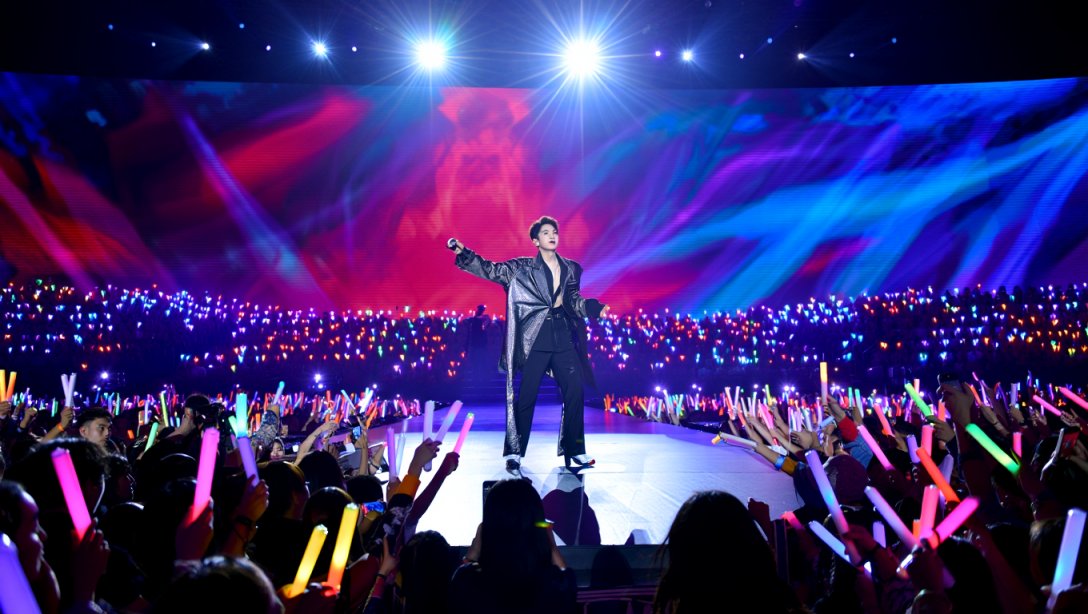
In 2025, a single K-pop group's global fan march drew over 10 million participants across continents. What unseen forces turn local talents into worldwide phenomena, reshaping cultures in ways we scarcely notice?
On a crisp October evening in 2025, BTS member Jungkook stepped onto a stage in New York City, not just to sing, but to ignite a conversation on mental health that echoed in millions of homes worldwide. His words, translated in real-time screens, bridged languages and lives, reminding us that fame's glow often hides deeper currents.
The Seeds of Stardom
Korean celebrities didn't emerge overnight. Picture a young trainee in a Seoul dormitory, rehearsing dance steps under fluorescent lights for hours. This rigorous system, born in the 1990s from music labels like SM and YG, cultivates talent through discipline. By the early 2000s, acts like Wonder Girls exported catchy pop, but it was the emotional depth in lyrics—drawing from Korean history and personal struggles—that began to resonate beyond borders. Today, this foundation supports stars like BLACKPINK, whose blend of fierce energy and vulnerability has topped charts in over 50 countries.
Riding the Hallyu Wave
The Hallyu, or Korean Wave, surged in the 2010s, propelled by dramas and films. Celebrities like Song Hye-kyo and Lee Min-ho charmed global audiences through Netflix streams, sparking trends in fashion and beauty. Yet, it's K-pop's global takeover that's most striking. In 2025, groups such as NewJeans fused retro aesthetics with modern beats, influencing TikTok dances that went viral in Africa and Latin America. Social media platforms amplify this reach, turning fans into communities that share stories, creating a tapestry of shared humanity.
Modern Currents and Challenges
As we enter 2026, Korean celebrities navigate new waters. Diversity is rising; idols like Rosé from BLACKPINK and her international roots challenge homogeneity, while discussions on mental health, spurred by stars like Jimin, foster openness. The industry adapts to global pressures, with virtual concerts during the pandemic-era lingering effects blending digital and live experiences. Yet, controversies like unfair contracts highlight the human cost, prompting reforms for better protections.
The Human Tapestry
These figures aren't mere entertainers; they mirror our collective dreams. In a world fractured by distances, Korean celebrities weave threads of empathy and aspiration, from a fan in Tokyo learning Korean phrases to a teenager in Brazil mimicking choreography. Their journeys remind us that culture flows like a river, shaping identities and bridging divides, inviting us to reflect on how art connects souls across the globe.