Imagine waking up one morning to find your body whispering secrets about diseases before they strike. What if health wasn't just about fighting illness, but understanding the intricate dance of cells, genes, and environment?
Picture this: It's the year 2040, and you're not sick, but your wearable device buzzes with a gentle alert. It predicts a potential heart issue based on tiny shifts in your blood chemistry and sleep patterns. This isn't science fiction. By 2026, breakthroughs in AI-driven predictive health have turned our bodies into living archives, revealing mysteries we've only begun to decode. How did we get here? And what does it mean for our future?
The Foundations: Cells as Silent Storytellers
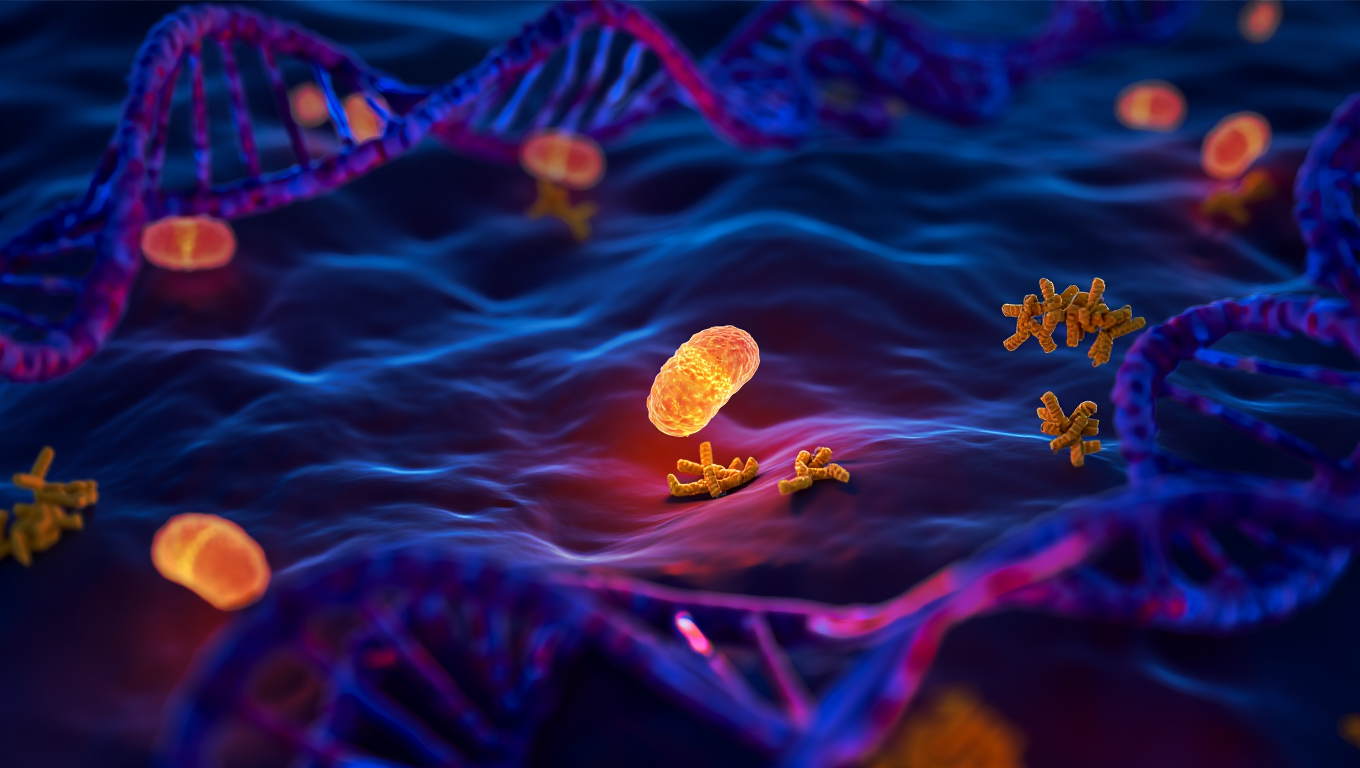
Health starts at the cellular level, where billions of microscopic actors perform a daily ballet. Think of your body as a vast city, with cells as its citizens, constantly rebuilding streets, repairing damages, and communicating through chemical signals. In 2025, CRISPR gene-editing tools advanced to fix hereditary diseases like sickle cell anemia, not just in labs, but in clinical trials worldwide. This isn't mere tinkering; it's rewriting the code of life. Yet, as we learned from the pandemic, viruses exploit these cellular networks. Understanding this dance helps us see why nutrition, like the Mediterranean diet's anti-inflammatory compounds, acts as a conductor, harmonizing the orchestra.
The Rise of Prevention: From Reaction to Prediction
Traditional medicine reacted to illness. Now, in 2026, we're shifting to prediction. Imagine health as a river: damming it upstream prevents floods. Wearable tech, like smart patches monitoring glucose in real-time, offers a front-row seat to our biology. The Global Health Initiative of 2025 emphasized mental health tech, with apps using AI to detect early depression from voice patterns during calls. But trends reveal challenges: climate change, with rising temperatures exacerbating allergies and heat-related illnesses, reminds us health is tied to the planet. Vaccines for climate-impacted diseases, like those against vector-borne viruses, are in rapid development.
The Mind-Body Connection: Emotions as Health Architects
Health isn't just physical. It's emotional, too. Consider stress as a sculptor, chiseling away at immunity. Studies in 2026 show how chronic stress alters gut microbiomes, linking anxiety to digestive issues. Mindfulness apps, integrated with biofeedback, teach us to rewire this. The mystery deepens with epigenetics: how trauma in one generation influences health in the next. By fostering communities through digital health networks, we're building resilience. Yet, inequalities persist; urban vs. rural access to telemedicine highlights the divide.
The Future Symphony: Harmonizing Technology and Humanity
As we peer ahead, health evolves into a symphony of innovation. Personalized medicine, powered by 2026's quantum computing, tailors treatments to your unique DNA. But with great power comes caution: ethical dilemmas around data privacy and genetic discrimination loom. The big picture? Health is our shared human story, a reminder that thriving bodies foster thriving societies. By embracing curiosity, we don't just survive—we flourish in an ever-changing world.