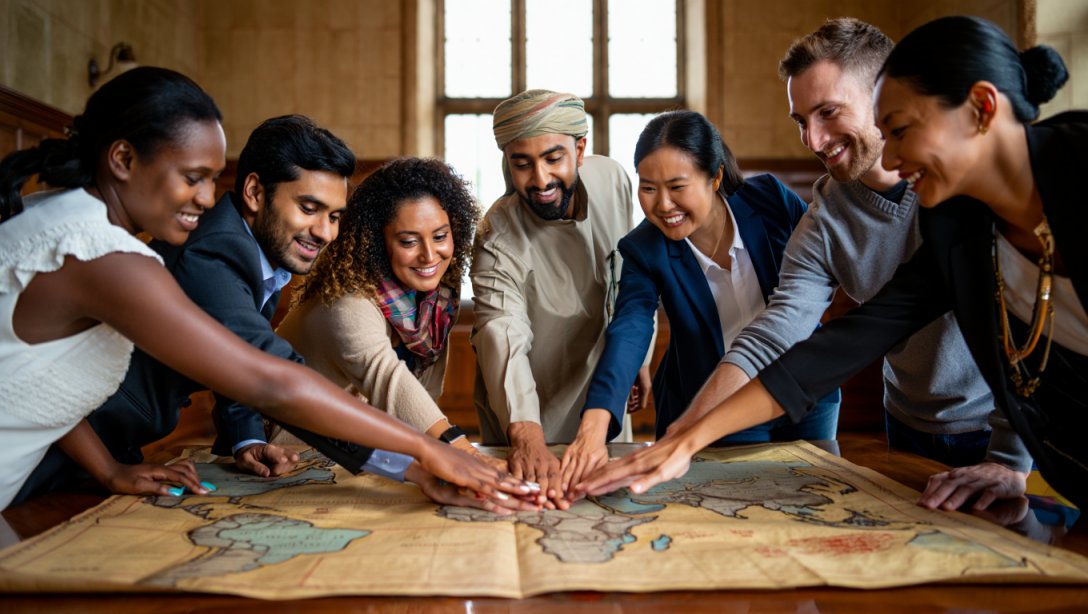
What if the stories we tell, the foods we eat, and the rituals we follow are more than habits—they're the blueprint of our shared humanity? Dive into how culture evolves and influences every facet of life in ways we rarely notice.
Picture a bustling street market in Rio de Janeiro during Carnival 2025, where samba rhythms blend with global beats from streaming artists. Here, culture isn't just observed—it's lived, breathed, and reinvented. This vibrant scene hints at culture's true nature: a dynamic web of shared beliefs, practices, and expressions that binds us while constantly shifting.
The Roots of Cultural Identity
At its core, culture sprouts from human connections. Think of it as a garden where seeds of tradition are planted by ancestors and watered by daily interactions. In 2025, researchers noted how migration patterns, accelerated by climate events, have transplanted cultural elements across continents. A festival in Tokyo might now feature African drums alongside ancient Japanese dances, creating hybrids that reflect our interconnected planet.
This evolution happens through small acts. A child in a multicultural neighborhood learns to weave stories from multiple heritages, forming a mosaic identity. Yet, culture demands adaptation. When technology bridges gaps, as seen in the surge of virtual reality gatherings during the 2025 lockdowns, people from distant lands co-create art that transcends borders.
Culture's Quiet Influence on Society
Culture shapes our decisions invisibly, much like gravity pulls objects without being seen. Consider fashion: in early 2026, sustainable styles influenced by indigenous practices have sparked a global movement, urging brands to rethink waste. Politically, cultural narratives fuel movements, as witnessed in the youth-led protests blending historical chants with modern social media hashtags.
- Values like community versus individualism emerge in daily choices, from communal dining to solo travel trends.
- Language evolves, incorporating slang from viral memes that spread cultural norms faster than ever.
- Art responds to crises, with murals in post-storm regions depicting resilience through symbolic fusions.
A character's tale illustrates this: Elena, a scientist in Berlin, discovers her research on urban farming echoes ancient agricultural rituals, reminding her that innovation often revives forgotten wisdom.
Challenges and Renewals in Modern Times
Culture faces threats from homogenization, where global media can dilute local flavors. Yet, 2025's cultural revival movements, fueled by digital archives, have empowered communities to preserve dialects and crafts. Biodiversity loss parallels cultural erosion; as species vanish, so do the stories tied to them. Renewal comes through collaboration. International festivals now include AI-assisted translations, but the heart lies in human exchanges that foster empathy.
In step-by-step renewal, societies first identify fading elements, then innovate. A step might involve elders sharing oral histories via podcasts, bridging generations. Another could be festivals adapting to virtual formats, ensuring traditions endure despite distances.
Culture's power lies in its ability to unite us against divisions. As we navigate 2026's uncertainties—from economic shifts to environmental urgencies—embracing cultural diversity offers a path forward. It's the thread that weaves our humanity into a tapestry of shared futures, reminding us that in our differences, we find our deepest strengths.