Imagine waking up in a world where every custom, every song, every belief you hold dear vanishes overnight. What would you do to rebuild it? This thought experiment pulls us into the heart of culture, the unseen force shaping our lives.
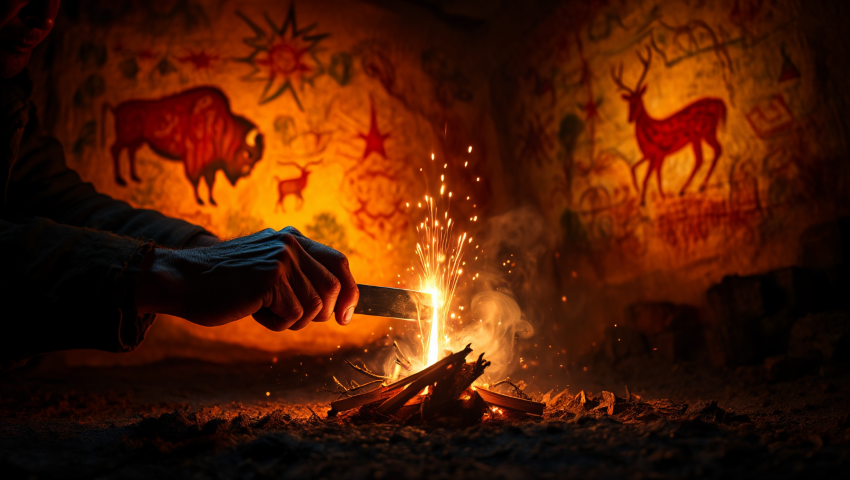
Picture this: It's the year 2026, and you're the last person on Earth who remembers how to make fire. Not with matches or lighters, but the ancient way—striking flint against steel, coaxing sparks into a flame. Now, expand that to everything that makes us human: the stories we tell, the foods we eat, the rituals we perform. Culture isn't just a collection of habits; it's the invisible blueprint that turns chaos into meaning.
The Foundations Beneath Our Feet
Think of culture as a vast underground river, carved by millennia of human footsteps. It begins with survival—early tribes shared tools and tales around fires to pass knowledge. These became traditions, evolving like a tree's roots spreading in search of water. By 2025, archaeologists uncovered new evidence in ancient sites, revealing how early cultures blended with nature, using art to communicate with the gods. Today, in a world grappling with climate change, we see artists drawing from indigenous practices, incorporating recycled materials into sculptures that challenge our throwaway society.
The Dance of Change
As cultures meet, they merge and transform, much like rivers flowing into oceans. Migration waves in the early 2020s accelerated this, blending cuisines and music across borders. Virtual reality, exploding in popularity by 2025, lets us step into other worlds—exploring African festivals or Japanese tea ceremonies from our living rooms. Yet, this connectivity sparks debates. Some fear homogenization, where global trends drown local flavors. Others celebrate it, like the rise of Afro-futurism, blending Black history with sci-fi visions for a more inclusive future.
Cracks in the Mosaic
But culture isn't static. It fractures under pressure, exposing biases we often ignore. The 2025 social justice movements highlighted how dominant cultures marginalize others, from language erasure to unequal representation in media. In response, communities reclaim narratives—think of the resurgence of endangered languages, taught via apps and immersive experiences. By early 2026, initiatives like global cultural exchanges foster empathy, turning conflicts into dialogues.
The Tapestry Ahead
As we stand at this crossroads, culture invites us to ask: What threads will we weave next? In an era of rapid tech and environmental shifts, it reminds us that humanity's greatest strength lies in our shared stories. Embrace the unknown, and culture becomes not just survival, but a celebration of what it means to be alive together.