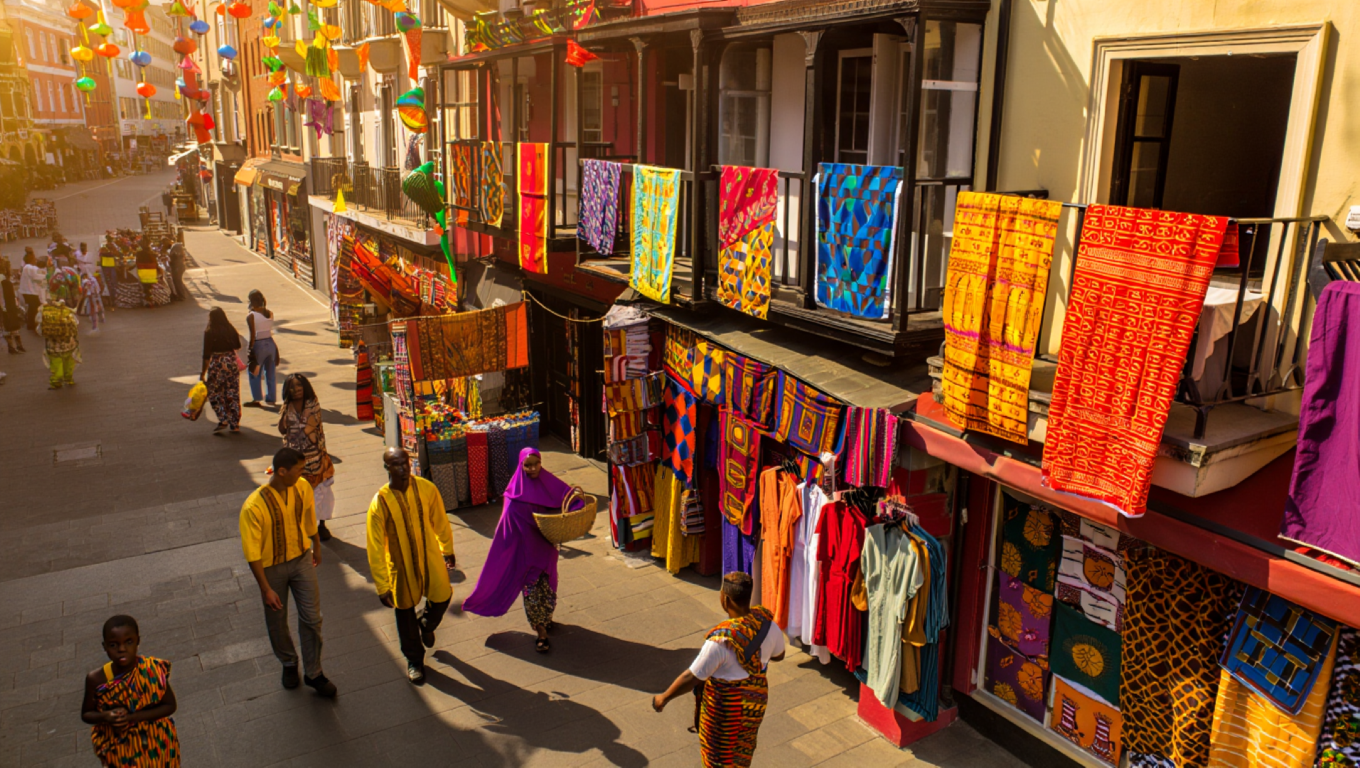
What if every ritual, every story, and every norm we follow is a thread in an invisible tapestry weaving our world? Dive into how culture, far more than geography or genes, dictates the lens through which we view existence.
A single handshake in Tokyo can convey more trust than a formal contract in Berlin. This isn't coincidence; it's culture at work, molding our interactions in ways we rarely pause to examine. By 2026, as global migration surges and digital realms blend traditions, understanding culture feels more urgent than ever.
The Origins of the Unseen Code
Picture a nomadic tribe in ancient Mesopotamia, their firelit gatherings not just for warmth but for passing down tales that defined right from wrong. Culture began as survival—a shared set of behaviors, beliefs, and symbols that bound groups together against predators and unpredictability. Think of it as a communal recipe book, passed through generations, adapting to new ingredients like agriculture or industrialization.
In our modern era, this code evolves rapidly. The rise of social media in the mid-2020s has birthed 'meme cultures,' where viral ideas spread faster than wildfires, influencing everything from fashion to politics. Yet, beneath the surface, ancient roots persist; indigenous communities worldwide still rely on oral traditions, preserving knowledge amid climate shifts that threaten their lands.
Culture as a Shaping Force
Imagine culture as a sculptor, chiseling our identities from raw human potential. It dictates language, which shapes thought—speakers of tonal languages like Mandarin often excel in music, while those in linear tongues like English prioritize sequence. Values emerge too: collectivism in Japan fosters group harmony, individualism in the U.S. drives innovation.
Today's trends amplify this force. The 2025 Paris Climate Accord expansions have spurred 'eco-cultures,' where zero-waste lifestyles and green activism redefine consumerism. Meanwhile, virtual realities introduced in 2024 create hybrid cultures, blending real-world customs with digital identities. A gamer in Seoul might don avatars inspired by Korean folklore, merging mythology with multiplayer worlds.
Conflicts and Harmonies
Cultures clash and converge, often sparking progress. The Silk Road wasn't just a trade route; it was a cultural fusion, exchanging spices for philosophies, birthing global exchanges. Today, migration waves from 2024 onward bring such blends to cities like New York, where Latin rhythms infuse Broadway shows, creating new artistic forms.
Yet tensions arise. In 2026, debates over cultural appropriation highlight the fine line between appreciation and exploitation. Educators now emphasize 'cultural humility,' teaching empathy to bridge divides. Social movements, like those championing neurodiversity, expand what 'normal' means, weaving inclusivity into societal fabrics.
The Ripple Effect on Tomorrow
As we stand on the brink of 2026, culture isn't static—it's a living dialogue. By embracing its fluidity, we can foster worlds where differences enrich rather than divide. In this grand human experiment, culture isn't just a mirror; it's the brush painting our shared future, reminding us that every story we tell shapes the canvas of existence.