More than dresses and photos. Cambodian weddings are about family, respect, and starting a new life together.
A Cambodian wedding is not a short event. It is not something you finish in one afternoon and forget. It is a long, noisy, colorful experience that pulls in families, neighbors, and sometimes the whole village. If you are visiting Cambodia for the first time and get invited to one, it can feel overwhelming. But it is also one of the best ways to understand how people here see family and commitment.
The roots of Cambodian weddings go back hundreds of years. Many customs come from ancient Khmer culture, mixed with Buddhism. In the past, weddings could last three days or more. Today, most couples shorten it to one or two days. Life is busy. Venues cost money. But the spirit of the ceremony stays strong.
Traditionally, parents played a big role in choosing a partner. Love was not always the main reason for marriage. It was more about family ties and stability. That has changed. Many young people now choose their own partners. Dating is normal in cities. Still, parents are deeply respected. Most couples will not marry without family approval. In Cambodia, marriage is not just about two people. It connects two families.
A traditional wedding day starts early. Very early. Before sunrise, sometimes. The groom arrives at the bride’s house with his family. They bring gifts like fruit, cakes, and drinks. This walk is slow and formal. Music plays. People watch. It is a public moment that says, “We are joining these two lives.”
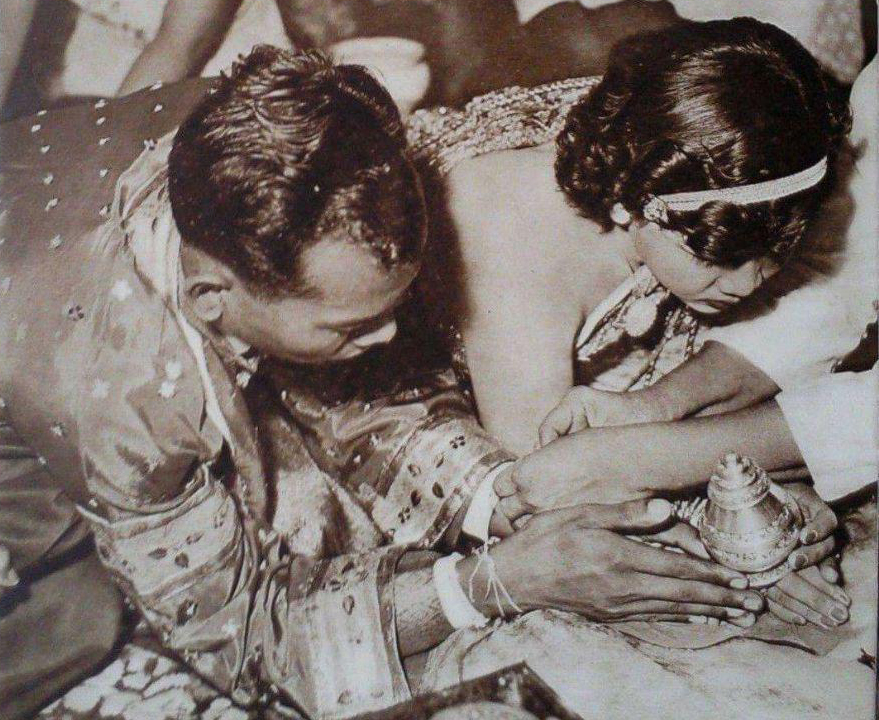
Inside the house, different ceremonies happen one after another. There is a blessing by monks. There is a moment when the couple honors their parents. Some rituals look strange if you do not know the meaning. One famous part is the “hair cutting” ceremony. No one really cuts much hair. It is symbolic. It means leaving the old life behind and starting clean.
Later comes the hand-tying ritual. Elders tie red strings around the couple’s wrists. Guests take turns doing the same. The strings mean protection and good luck. The couple will wear them for days, sometimes weeks. It is simple, but emotional. You can feel how serious people are about wishing them a stable life.
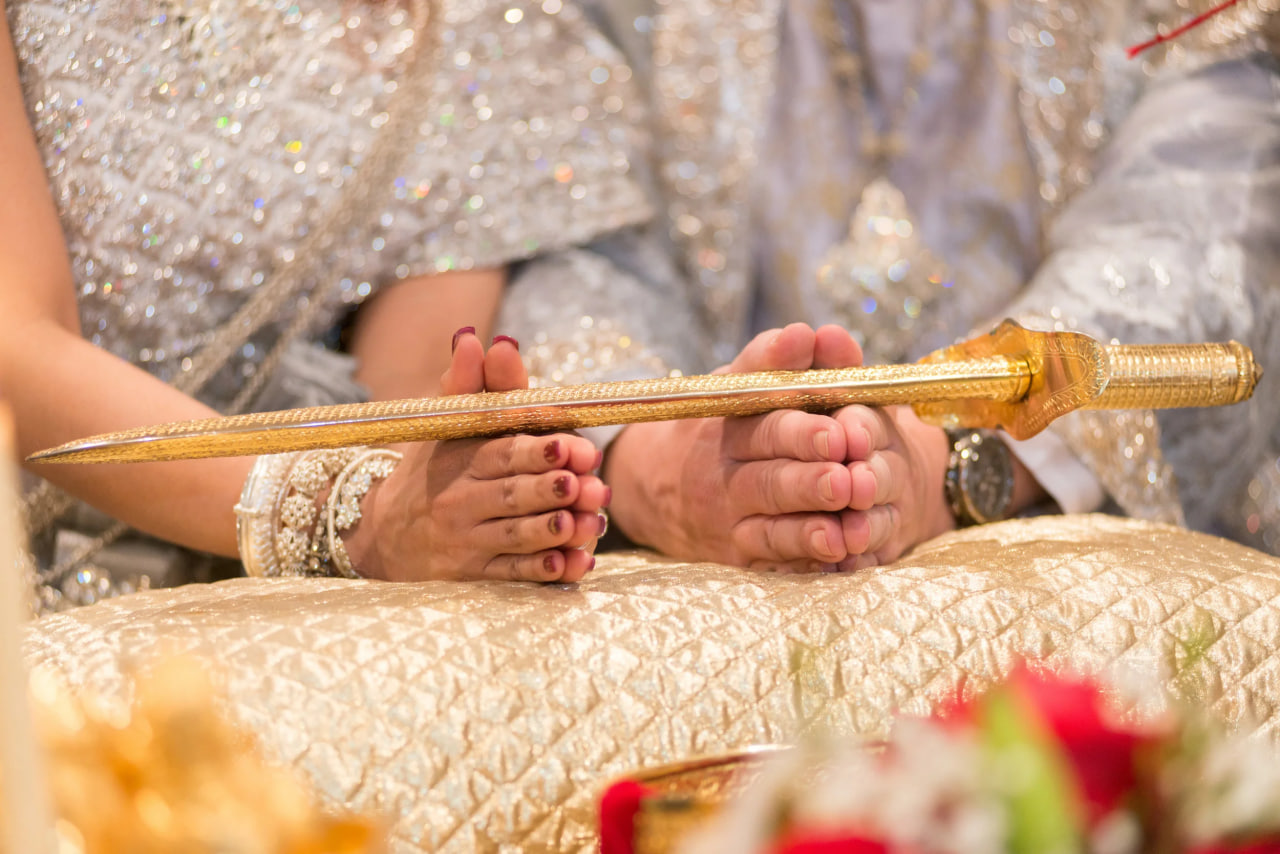
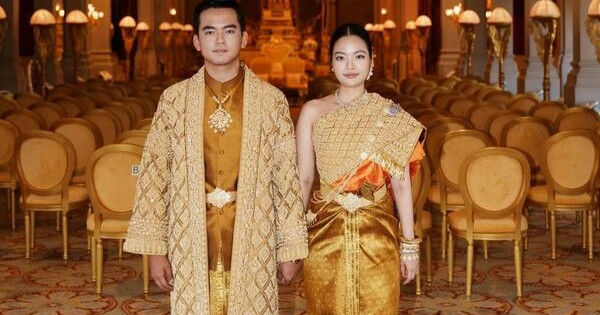
The clothes are impossible to miss. The bride usually changes outfits several times. Gold, silk, heavy jewelry. The groom also dresses formally, often in bright traditional fabric. It can look uncomfortable in the heat. But no one complains. Photos matter. Memories matter.
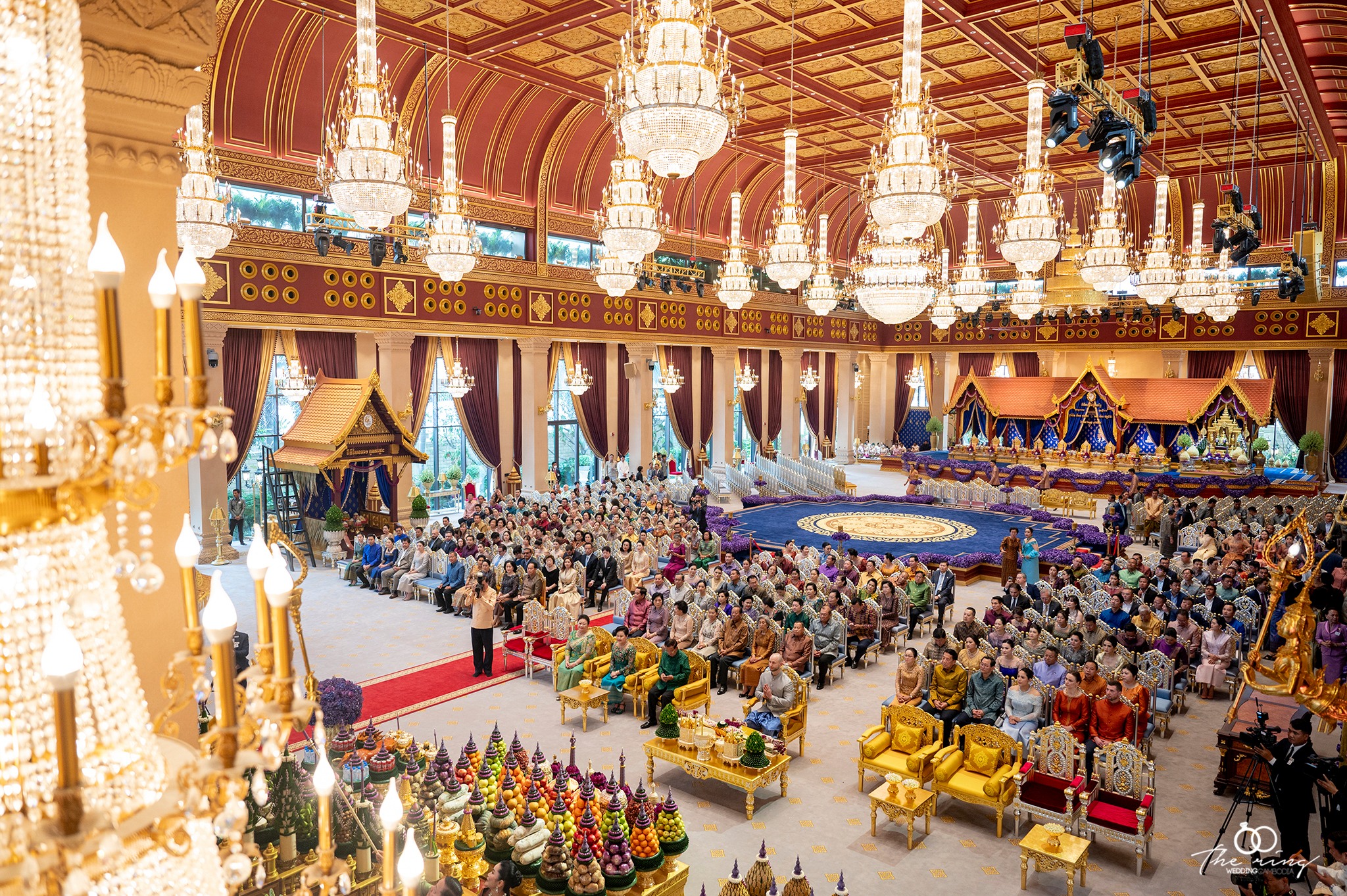
Then comes the reception. This part feels more modern. Big tents. Loud music. Hundreds of guests. Food served in many small dishes. People eat, talk, drink beer, and dance. Money is the most common gift. It is practical. Weddings are expensive, and guests know it.
Modern Cambodian weddings are changing, slowly. Some couples choose hotel ballrooms instead of homes. Some wear Western wedding dresses for part of the day. Some skip certain rituals to save time. Social media has also changed things. Photos and videos are now a major part of the event. Sometimes it feels like the camera is as important as the ceremony itself.
Still, many traditions survive. Not because people are forced to follow them, but because they want to. These rituals connect them to their parents and grandparents. They remind people that marriage is not only about romance. It is about responsibility.
From the outside, a Cambodian wedding may look chaotic. Too many steps. Too many outfit changes. Too much noise. But after you sit through one, you start to see the logic. It is designed to slow things down. To make the couple feel the weight of the decision.
It is not perfect. It is expensive. It is tiring. Sometimes it feels more like a performance than a personal moment. But it is honest in its own way.
And that is why Cambodian weddings are still important. They are not just celebrations. They are a public promise, made loudly, in front of everyone who matters.